


ISO 27001 Certification: Step-by-Step Guide for Businesses
A single security incident can disrupt operations, damage customer trust, and slow business growth. ISO 27001 gives organizations a structured way to manage information security risks before they become costly problems.
For many businesses, certification is also a market requirement. Customers, partners, and regulators increasingly expect clear proof that sensitive information is protected. An ISO 27001 certification project helps turn security from scattered tasks into a managed system with ownership, evidence, and ongoing review.
This guide explains the practical steps to prepare for certification, build the required documentation, implement controls, conduct internal audits, and maintain compliance over time.

What ISO 27001 is and why it matters
ISO 27001 is an international standard for establishing, operating, maintaining, and improving an Information Security Management System, often called an ISMS. The ISMS is the set of policies, processes, roles, risk assessments, controls, and records that show how an organization protects information.
The standard does not require every company to use the same tools or security controls. Instead, it asks each organization to understand its own risks and select suitable controls based on business needs, legal obligations, customer requirements, and risk tolerance.
ISO 27001 focuses on three core security goals:
Confidentiality Information is accessible only to authorized people.
Integrity Information stays accurate, complete, and protected from unauthorized changes.
Availability Information and systems are accessible when needed.
For business leaders, the value goes beyond technical security. ISO 27001 can support stronger governance, clearer accountability, better vendor confidence, and smoother responses to customer security questionnaires. Many organizations pursue an ISO 27001 CERTIFICATE because it provides independent confirmation that their ISMS has been assessed against a recognized standard.
Certification is not a one-time paperwork exercise. It is a repeatable management process. The goal is to prove that security risks are identified, treated, monitored, and improved over time.
Set the foundation before the certification project begins
A successful ISO 27001 project starts with scope, leadership support, and a realistic plan. Without these basics, the effort can become confusing and slow.
Define the scope of the ISMS
The scope explains what parts of the business the ISMS covers. It may include the entire organization, a specific product, a cloud platform, a department, or selected locations.
A clear scope should identify:
Business functions included
Systems, applications, and data types covered
Physical or remote locations included
Key internal teams and external service providers
Interfaces with parts of the business outside the scope
For example, a software company may start with the platform that stores customer data, the engineering team that supports it, and the cloud services used to host it. A broader scope can come later as the ISMS matures.
Get leadership commitment
ISO 27001 requires active support from top management. Leaders do not need to manage every control, but they do need to provide direction, assign responsibilities, approve the risk approach, review performance, and support needed resources.
Practical leadership actions include:
Naming an ISMS owner
Assigning risk owners across the business
Approving information security objectives
Reviewing audit results and security performance
Supporting corrective actions when gaps appear
This support matters because certification affects more than IT. Human resources, legal, procurement, operations, customer support, and finance may all play a role.
Build a practical project plan
The project plan should be simple enough for teams to follow. It should include major workstreams, owners, target dates, and required outputs.
Common workstreams include:
Scope and context review
Asset inventory
Risk assessment
Risk treatment planning
Documentation
Control implementation
Internal audit
Management review
Certification audit preparation
Avoid treating the certification date as the only milestone. The ISMS must be operating before the external audit, which means records and evidence need time to build.

Conduct risk assessment and plan risk treatment
Risk assessment is one of the most important parts of ISO 27001. It helps the business decide what needs protection, what could go wrong, and what level of action is needed.
Identify information assets
Start by listing the information assets that matter to the business. Assets can include customer databases, employee records, source code, financial reports, contracts, laptops, cloud systems, backups, and key third-party services.
The asset list does not need to be perfect on day one. It does need to be useful. Focus on assets that store, process, transmit, or support sensitive information.
Identify threats and vulnerabilities
A threat is something that could cause harm. A vulnerability is a weakness that could be exploited.
Examples include:
Phishing attacks affecting employee accounts
Weak access controls on business applications
Unpatched systems
Lost devices
Misconfigured cloud storage
Supplier outages
Inadequate backup testing
Lack of security awareness training
Use plain language so risk owners understand the issue and can make decisions.
Evaluate risk
Most organizations score risk by looking at likelihood and impact. The scoring model can be simple, as long as it is defined and used consistently.
Impact may include financial loss, service disruption, legal exposure, reputational harm, or customer impact. Likelihood should reflect the business environment, past incidents, control strength, and known weaknesses.
Create the risk treatment plan
After evaluating risks, decide how to handle each one. Common treatment options include:
Reduce the risk by applying controls
Accept the risk with management approval
Avoid the risk by stopping an activity
Transfer part of the risk through contracts or insurance
The risk treatment plan should show the selected action, responsible owner, target date, and current status. It becomes one of the main tools for tracking progress toward certification.
Prepare documentation and implement controls
ISO 27001 Documentation proves that the ISMS has been designed, approved, followed, and reviewed. It should support the business rather than exist only for auditors.
ISO 27001 requires certain documented information, and organizations often create extra records to show how their controls work. The exact set of ISO 27001 DOCUMENTS depends on scope, risks, and selected controls.
Build the core ISMS documents
Common ISO 27001 documentation includes:
Document | Purpose |
ISMS scope | Defines what the certification covers |
Information security policy | Sets leadership direction and expectations |
Risk assessment methodology | Explains how risks are identified and scored |
Risk assessment results | Records identified risks and ratings |
Risk treatment plan | Tracks how risks will be handled |
Statement of Applicability | Lists selected Annex A controls and explains inclusion or exclusion |
Internal audit program | Defines audit timing, scope, and responsibilities |
Management review records | Shows leadership review of ISMS performance |
Corrective action records | Tracks fixes for nonconformities and weaknesses |
The Statement of Applicability is especially important. It connects your risk assessment to the controls you choose. It should clearly explain which controls apply, which do not, and why.
Implement controls based on risk
ISO 27001 includes a set of reference controls in Annex A. These controls cover areas such as people, technology, physical security, access control, supplier relationships, incident management, business continuity, and compliance.
Common controls include:
Access reviews for key systems
Multi-factor authentication where appropriate
Security awareness training
Joiner, mover, and leaver processes
Supplier security checks
Backup management and testing
Incident reporting and response procedures
Asset management
Change management
Logging and monitoring
Secure configuration practices
Do not select controls only because they appear in the standard. Select controls because they address real risks, legal needs, customer expectations, or operational requirements.
Collect evidence as work progresses
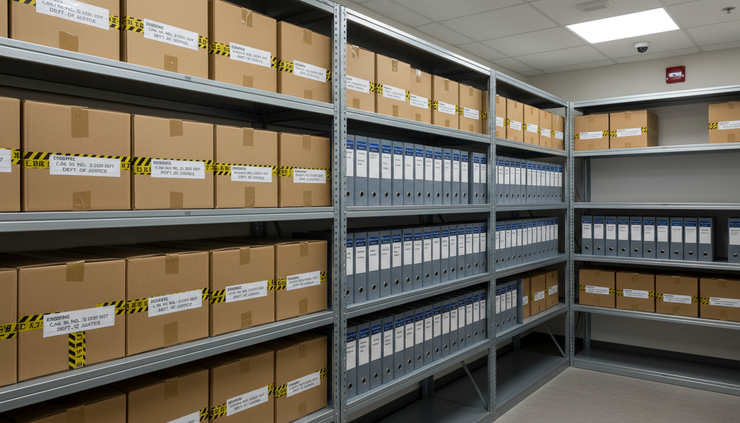
Certification auditors will look for evidence that the ISMS is operating. Evidence may include completed access reviews, training records, risk review minutes, incident logs, backup test results, supplier assessments, and approved policies.
Good evidence is current, clear, and linked to the process it supports. A well-run ISMS creates evidence naturally through normal business activity.
Run internal audits and management reviews
Before the certification audit, the organization must check whether the ISMS works as intended. Internal audits and management reviews are central to that process.
Conduct internal audits with independence
An internal audit checks whether the ISMS meets ISO 27001 requirements, follows the organization’s own policies, and operates effectively.
The auditor should be objective and independent from the area being audited. In a small business, this may mean using someone from another department or hiring an external consultant for the internal audit.
A good internal audit should:
Review the ISMS scope and required documents
Test whether policies are followed in practice
Sample evidence from key controls
Interview process owners
Check risk treatment progress
Identify nonconformities and improvement opportunities
Do not treat the internal audit as a box-checking exercise. It is a valuable rehearsal for the certification audit and a chance to fix issues early.
Prepare for management review
Management review gives senior leadership a formal opportunity to assess ISMS performance. It should happen before the external certification audit and then continue at planned intervals.
Typical review topics include:
Internal audit results
Risk assessment and treatment status
Security objectives and performance
Incident trends
Supplier or customer security issues
Changes affecting the ISMS
Resource needs
Corrective actions
Opportunities for improvement
The output should include decisions and assigned actions. Keep records of the meeting, including attendees, topics discussed, decisions made, and follow-up owners.
Address nonconformities properly
If the internal audit finds a weakness, document it clearly and take corrective action. A corrective action should address the cause, not only the symptom.
For example, if access reviews were missed, the fix may include assigning ownership, setting reminders, updating the procedure, and confirming that the next review was completed. The goal is to prevent repeat issues.
Complete the certification audit and maintain compliance
The external certification audit is usually completed in two stages by an accredited certification body.
Understand the two audit stages
Stage 1 reviews readiness. The auditor checks whether the ISMS is designed properly, documentation is in place, scope is clear, and the organization appears ready for the full audit.
Stage 2 examines implementation. The auditor samples evidence, interviews staff, reviews controls, and checks whether the ISMS operates according to ISO 27001 and the organization’s own processes.
If the auditor finds nonconformities, the organization must respond with corrective actions. Certification is awarded only after the certification body accepts the audit results and any required corrections.
Keep the ISMS active after certification
Certification does not end the work. Certified organizations typically have ongoing surveillance audits and periodic recertification audits. The ISMS must keep operating between those audits.
Practical maintenance activities include:
Reviewing risks when systems, suppliers, or business processes change
Keeping policies and procedures current
Running scheduled internal audits
Completing management reviews
Tracking security objectives
Testing backups and incident response plans
Reviewing user access
Monitoring supplier performance
Closing corrective actions on time
Continuous improvement is built into ISO 27001. Each incident, audit result, customer requirement, or business change can reveal a way to improve security.
If you would like a visual walkthrough of the certification process, watch this ISO 27001 implementation guide.
Frequently asked questions
How long does ISO 27001 certification take?
The timeline varies based on scope, company size, existing security practices, and available resources. A smaller organization with mature processes may move faster than a larger business starting from scratch.
Is ISO 27001 only for large companies?
No. Startups and SMEs can certify if they define a practical scope and build an ISMS that fits their risks. The standard is flexible enough for different organization sizes.
Do we need to implement every Annex A control?
No. Controls should be selected based on risk, legal obligations, contractual needs, and business requirements. The Statement of Applicability records which controls apply and explains the decisions.
Can software tools replace ISO 27001 documentation?
Tools can help manage tasks, evidence, risks, and audits, but they do not replace ownership or sound processes. The organization still needs clear policies, records, and working controls.
What happens if the certification auditor finds a nonconformity?
The organization must investigate the issue, identify the cause, and provide corrective action. Certification may still be possible after the certification body accepts the response, depending on the nature and severity of the finding.

Build certification into the way the business works
ISO 27001 certification is most successful when it becomes part of normal management, not a separate compliance project. The practical path is clear: define the scope, assess risks, treat those risks, document the ISMS, implement controls, audit the system, review performance, and keep improving.
The organizations that benefit most are those that use ISO 27001 to make better decisions about information security. Certification can support trust, reduce uncertainty, and create a repeatable way to manage risk as the business grows.

Comments